November 19, 2026
How to Assess Activities and Therapies in Dementia Care Communities
By @chanceelhd433
Business Name: Hearthstone South Weber
Address: 6980 S 475 E, South Weber, UT 84405
Phone: (385) 380-3382
Hearthstone South Weber
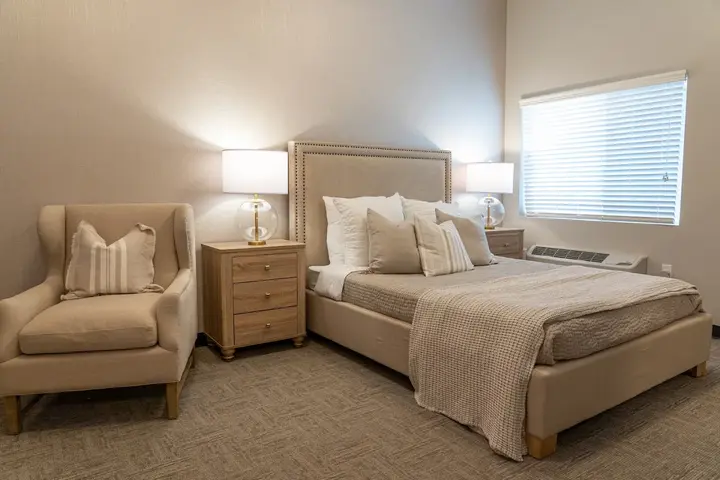
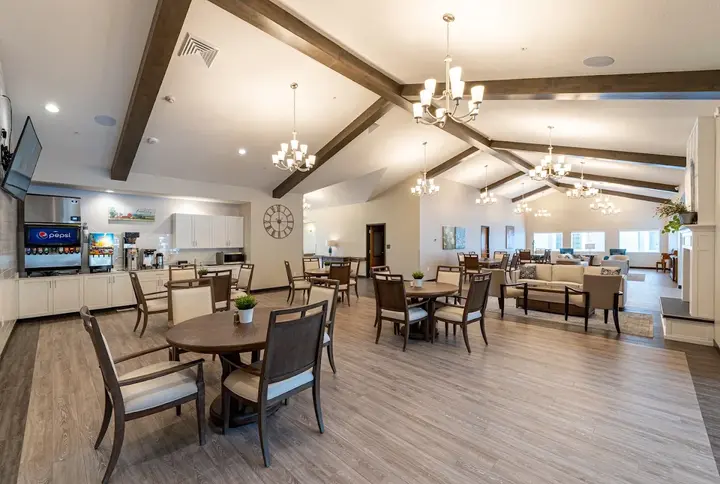
Our assisted living and memory care community sits in a quiet South Weber neighborhood at the mouth of Weber Canyon, minutes from Ogden Regional Medical Center and close to family across Davis and Weber counties. We offer Assisted Living private studio apartments for seniors who want independence with a helping hand: medications, bathing, dressing, meals, and housekeeping. We also provide Memory Care secure, calm setting with structured routines and 24/7 supervision for residents living with Alzheimer's disease or other dementia. We've cared for residents here since 2019, with attentive caregivers, home-cooked meals, and a calendar full of things to look forward to.
6980 S 475 E, South Weber, UT 84405
Business Hours
Families rarely tour a memory care neighborhood just as soon as. They circle back, compare notes, and review. The hesitation is natural, due to the fact that activities in dementia care are not icing on the cake. They are the cake. Structured days, significant engagement, and treatments that lower distress can include comfort, safeguard function, and give households back minutes that feel like the person they remember. The challenge is that shiny calendars and buzzwords can obscure what actually occurs in between breakfast and bedtime.
I have actually sat with directors of nursing who can check out agitation in a resident's shoulders from across the room, and I have actually watched activity aides manage small miracles with a familiar song and a warm tone. I have also seen schedules packed with trivia and crafts that fall flat by lunch. The difference generally comes down to design, not decors. This guide is developed from those lived patterns and from research on what tends to work, what sometimes works, and what often looks better on paper than in practice.
What "great" looks like in dementia care activities
Good programs begin with a person, not a calendar. Personnel know who liked fishing, who taught second grade, who never ever liked groups, and who requires coffee before discussion. Every engagement option streams from that map, with a simple objective: match the task to the individual's abilities and preferences today, while keeping a thread to their identity.
Expect to see a rhythm rather than a stiff timetable. If the morning consists of gentle movement and familiar music, late morning might use hands-on work like folding towels, setting a table, watering plants, or kneading bread dough. After lunch, shows must downshift, since many people experience lower energy and higher confusion in the afternoon. Peaceful sensory activities, short one-to-one visits, or a small strolling group can settle the system before dinner.
The most reliable signs of quality are not elegant spaces. They are the little interactions that minimize distress and spark attention: a team member bending to eye level, offering a resident a paintbrush and a choice of 2 colors, or breaking jobs into single actions without patronizing.
Calibrating for progression and personality
Dementia is not a single slope. Abilities alter differently across diagnoses and even within the exact same week. A well run memory care program adapts in 4 useful ways.
First, it streamlines jobs without removing self-respect. If a resident can not end up a 1,000 piece puzzle, staff offer a puzzle with 24 high contrast pieces that still feels adult. If group conversations move too fast, they welcome the individual to read headlines aloud, then stop briefly for a reaction.
Second, it respects life patterns. Night owls should not be forced into 7:30 a.m. Sing-alongs. Former accountants may choose sorting and journal style tasks. A retired nurse may respond to a mock medication cart used as a life story prop, easing anxiety by leaning into familiar roles.
Third, it acknowledges that habits communicates requirement. Someone pacing in circles throughout bingo may need a walking partner and a destination, not a seat at the card table. The best activities team thinks like detectives and adjusts on the fly.
Fourth, it understands that late-stage homeowners still gain from engagement, but the menu changes. Think hand massage with fragrant lotion, soft fabrics to touch, rhythmic call and reaction, and enjoying birds at a feeder. Presence and sensory convenience matter more than performance.
Staffing, training, and ratios that make programs real
I ask three concerns about staffing before I care about the art room. Who develops the calendar, who actually runs it everyday, and how are they trained to bridge the two? A calendar built by a business office will frequently miss the subtlety of a system's real locals. On the other hand, a calendar built by frontline personnel without oversight can wander into repeating and burnout. Strong programs combine an activities director with devoted assistants embedded on the memory unit, with input from nursing and social work.
Ratios matter, however they are not the whole story. A hectic system may require one devoted activities expert for each 12 to 18 residents during peak hours, supplemented by cross qualified caretakers who can support engagement while assisting with care tasks. What matters most is whether staff are protected from consistent pull to cover showers or medication passes. If the activities individual spends half the shift on call lights, the program will stall after early morning coffee.
Training needs to consist of the fundamentals of dementia communication, behavior interpretation, and strategies like Montessori based dementia care and validation techniques. Ask how often training happens and whether brand-new hires shadow knowledgeable personnel. In my experience, neighborhoods that arrange refreshers every quarter, even brief huddles with function play, sustain much better engagement since methods stay sharp.
Reading the day-to-day schedule with a practical eye
A posted calendar is a beginning point, not proof. Look for a balance of group and one-to-one time, cognitive and physical activity, and sensory and social engagement. Repeating is not bad. Familiar regimens anchor people, but copying the exact same event at the very same time for weeks can flatten interest. A well balanced week may show music two or three times, workout most mornings, outside time a number of days weather permitting, and turning styles that nod to residents' backgrounds.
Pay attention to timing. Early mornings are frequently best for more structured activities. Afternoons should prepare for smaller sized, quieter, much shorter engagements. Evenings require soothing regimens that are simple but consistent, like tea service, soft music, or a reading group with poetry or inspirational passages. Programs that schedule complex tasks after 4 p.m. Typically see intensifying agitation.
Finally, see the blanks. Unscheduled time is not an enemy if staff are trained to use it for spontaneous, personalized interactions. The people who prosper in memory care typically enjoy little, repetitive rituals: the same team member greeting with a preferred phrase, the very same plant watered every Tuesday, the exact same picture album opened after lunch.
Evidence behind common therapies, without the hype
Research in dementia care is useful more frequently than it is best, but we do understand some therapies regularly assist. Cognitive Stimulation Treatment, a structured small group program generally offered in 14 or more sessions, reveals modest improvements in cognition and quality of life for people with mild to moderate dementia. It works best when delivered as created, in small groups with trained facilitators and themed sessions. It requires planning and personnel skill, so not every community uses it, but if you see it on the calendar, ask how they trained and whether they follow a manual.
Music based methods have strong real world traction. Customized playlists can lift state of mind and minimize agitation, especially throughout individual care. Live or interactive music treatment, led by a credentialed music therapist, deepens the impact by adjusting rhythm and engagement to the individual's reactions. Music is not a treatment for wandering or sundowning, however it typically softens the edges of those behaviors.
Montessori based dementia care reorganizes daily jobs into sequenced actions with visual hints. Think of identified drawers, color coded bins, and activities that match capability, like arranging hardware by size or pairing socks. Evidence recommends enhancements in engagement, self-reliance in basic jobs, and decreased responsive behaviors. The secret is fidelity. A laminated sign that says Montessori style not does anything without the environmental tweaks and personnel practices that make it work.
Reminiscence and life story work help anchor identity. In practice, this appears like a resident's biography at the bedside, shadow boxes outside rooms with artifacts and pictures, and routine usage of those stories in conversation. It also looks like level of sensitivity. Not every memory is happy. Skilled staff avoid forcing narratives and pivot when a subject triggers distress.
Exercise, both seated and standing, brings constant advantages. Even 10 to 20 minutes of chair-based strength and balance work most mornings can lower fall danger in time. Walking clubs add social structure and sleep policy. Search for correct guidance, good shoes, hydration, and changes for cardiac or orthopedic limits.
Art and craft programs often prosper when they emphasize process over product. Thick handled brushes, high contrast colors, and short sessions reduce aggravation. Animal therapy, if done with well trained animals and handlers, can cut through lethargy and spark smiles. Sensory rooms can be soothing if they prevent visual mess and loud, competing stimuli.
Some treatments have actually blended or restricted proof. Aromatherapy may help some people however tends to be inconsistent. Doll therapy can comfort some residents with supporting histories, but it can feel infantilizing to others if not presented attentively. Virtual reality uses novelty, however headsets can overwhelm. Technology needs to never alternative to human connection.
The power of one-to-one engagement
Group activities are effective, but one-to-one interactions typically deliver the most significant gains. A 12 minute visit with a warm tone, a simple purpose, and a sensory aspect can carry somebody through an afternoon. Look for aides who show up with a small basket of products tailored to a resident: a deck of big print cards, a tactile ball, a lavender sachet, a brief playlist on a pocket speaker. If staff rely just on groups, quieter or advanced residents will drift to the margins.
One-to-one work needs staffing defense. Neighborhoods that set up two or 3 everyday one-to-one blocks, each 15 to 20 minutes, for citizens with higher requirements or regular distress typically see fewer behavioral escalations and less dependence on as-needed medications.
How to evaluate during a visit
Families frequently feel they need a clinical eye to judge programs. You do not. You need to slow down and watch. Visit throughout an activity block. Stand back and observe who is engaged, who is wandering, and how personnel respond. Staff needs to not scold or coax strongly. They should provide alternatives without friction. If someone leaves a group, a team member should quietly follow with an easier task or a walking option.
An activity space need to feel safe and adult. Art products need to be visible and reachable. Instructions must be visual and basic, not long-winded. Chairs should be steady with arms. If music is playing, it should not compete with television noise from another corner. Search for cultural cues. Do the books, foods, and vacations show the citizens who live there, not just a generic calendar?
You can learn a lot in five minutes by standing near the nurse's station at 4:30 p.m. Is the volume increasing, or do you see staff directing citizens into calming regimens? Memory care that holds together late in the day normally has a strong activity backbone.
A fast on-site checklist for families
- Watch one full activity for at least 20 minutes, note engagement, and see how personnel handle transitions.
- Ask to see a resident life story binder or profile, and how it feeds into the day's plan.
- Look for one-to-one sessions on the schedule, not just groups, and ask who delivers them.
- Check the environment for visual hints and security, like labeled drawers and uncluttered strolling paths.
- Visit near late afternoon to observe how personnel manage sundowning with relaxing routines.
Measuring results beyond smiles
Stories matter, however measurement keeps programs truthful. I prefer easy, significant data over glossy dashboards. Some communities utilize short state of mind or engagement scales before and after targeted treatments, like noting agitation levels during care before and after including individualized music. Others track falls, sleep disturbance, and usage of as-needed medications, pairing that information with programming changes.
Ask how typically the group evaluates activity outcomes with nursing. A regular monthly huddle that looks at three to 5 residents with repeated distress and prepares tailored engagement can avoid a lot of friction. Also ask whether the neighborhood shares updates with families. A brief regular monthly summary noting what worked for your loved one can be more useful than 40 day-to-day checkmarks.
Integrating nursing care and activities
Care and activities frequently reside in separate silos on a layout, however they are inseparable in practice. Toileting, bathing, and dressing are opportunities for engagement if staff time them with preferences and use customized aids. Placing on lotion ends up being hand massage with conversation about childhood gardens. A shower ends up being calmer when the restroom is warmed, favorite music plays, and actions are cued one by one.
When nursing and activities groups prepare together, the day streams. If a resident sleeps inadequately, the early morning may begin later on with a quiet routine rather than forcing 9 a.m. Exercise. If somebody dozes after lunch and wakes agitated at 3 p.m., an afternoon walk may move previously to preempt agitation.
Cultural, language, and spiritual life
People bring culture in methods big and little. Holidays and foods are apparent, however everyday rhythms are just as crucial. Some citizens are utilized to midday prayers, afternoon tea, or evening news at an accurate hour. Communities that ask and record these patterns get better outcomes. Bilingual personnel or translation tools help, but the intonation, body movement, and perseverance are universal. Spiritual assistance, whether through clergy visits, hymn singing, or quiet reflection area, can be a significant part of late-stage comfort.
Outdoors, gardens, and safe wandering
Fresh air is not a high-end. Even 10 minutes outside can raise state of mind. A secure yard that enables safe, looping strolls without dead ends lowers pacing stress. Raised garden beds welcome tactile work that feels adult. I try to find shaded seating, even concrete surface areas to decrease tripping, and doors that are quickly supervised however not secured a manner in which screams prison.
A good sign is seasonal programming that utilizes the outdoors area with objective, like herb planting in spring, tomato staking in summer season, leaf collecting in fall, and bird feeder maintenance in winter.
Respite care as a showing ground
Short stays, often called respite care, offer households a low threat way to evaluate a community's program. A well run respite stay of one to two weeks can reveal how your loved one reacts to group and one-to-one activities, sleep routines, and dining patterns. It also provides personnel time to learn triggers and comforts. Ask whether respite visitors receive the very same evaluation and life story intake as long term locals. If respite seems like a sideline, you will not get a real picture.
Respite stays also teach families what to bring. Personal items are not mess, they are anchors. A familiar blanket, a preferred sweatshirt, a photo book with clear labels, and a little speaker with a playlist can speed change. Numerous families recognize after respite that their loved one in fact rests more, eats better, and reveals fewer outbursts when the day has a strong, predictable spine.
Budgets, time, and the genuine trade-offs
Communities stabilize programs against staffing spending plans and competing needs. You will see trade-offs. A small neighborhood may not manage a qualified music therapist each week, however they might train assistants to utilize tailored playlists at essential times. A bigger campus might have a full-time activities team but battle assisted living near me to embellish because of scale. The right concern is not who has the flashiest offering, it is who provides consistent, person-centered engagement most days.
Pay attention to the hidden costs. Some treatments need materials or outside vendors. Ask if those are consisted of or billed separately. More significantly, ask how the community prioritizes shows throughout staffing lacks. The honest response tells you more than a brochure.
Questions to ask that get past the brochure
- Can you walk me through the other day from breakfast to bedtime for 2 citizens with different needs?
- How do you adapt when someone declines groups or wanders during activities?
- What treatments have you attempted here that did not work, and what did you change?
- How do nursing and activities share details about what worked throughout care?
- How do you determine whether your program is assisting besides presence counts?
Red flags that should have a second look
Some indication show up quickly. Tv as default background sound in common locations typically associates with lower engagement and higher agitation. Calendars packed with long, complicated occasions in late afternoon overlook popular patterns of tiredness and confusion. Activities that look childish, like preschool crafts or baby talk, signal an absence of training and regard. Assistants who talk over residents to each other, rather than with homeowners, betray culture more than any policy.
Burnout likewise takes a look. If personnel appear rushed, prevent eye contact, or default to "he declines everything," the program will have a hard time. It does not imply you should leave, however it does indicate you ought to ask about leadership stability, staffing support, and training plans.
Working with habits that challenge
People with dementia express pain, worry, boredom, and solitude through behavior when words fail. Activities must be part of a strategy to avoid and respond to those signals. If a resident hits throughout bathing, staff should examine the series, the temperature level, the privacy, and whether music or a warm towel would assist. If somebody calls out repeatedly, personnel must check for unmet requirements, then attempt a routine that uses a job with purpose, like sorting napkins for dinner.
Programs that rely only on medication to control behavior tend to see short term quiet at the cost of long term function. The much better path is typically slower. It takes weeks to develop a relaxing afternoon ritual and to learn a person's signals. Households can help by sharing comprehensive histories and being patient as personnel learn.
Documentation that matters
Look for care strategies that consist of particular activity and treatment notes, not unclear lines like delights in music. Good plans say which tunes, which artists, which volume, and when. They note that the resident eats much better if somebody sits across and mirrors pacing, or that they settle at 4 p.m. With two brief strolls and a warm drink. When documents is that granular, new staff can action in without starting from scratch.
Daily notes must be short, truthful, and useful. Attendance logs have restricted worth unless they consist of quick quality markers, like engaged for 10 minutes, smiled during chorus, left group when space got loud.
A quick case vignette from practice
Mrs. L was a retired English instructor with moderate Alzheimer's disease who arrived to memory care after numerous falls in your home. Her child enjoyed the neighborhood's hectic calendar, however within a week Mrs. L was skipping groups and calling out in the afternoon. Personnel attempted rerouting her to crafts and trivia, which she refused. The nurse and activities director met with the family and discovered that Mrs. L had actually always taken a mid afternoon walk, drank strong tea at 3:30, and check out poetry aloud to her students.
They changed. At 3:15, an assistant welcomed her for a 4 lap walk around the yard, stopping briefly at the bird feeder. Back inside, they sat with tea and check out 2 short poems, repeating favorite lines together. After 2 days, the calling out decreased. Within a week, Mrs. L began attending an early morning reading group that used big print poetry and short essays, then napped after lunch. No new medications were needed. The repair was not elegant. It was precise.
Senior care communities and continuity
Memory care does not exist in a bubble. Smooth shifts from home, medical facility, or assisted living into a dementia care program make or break the first month. Neighborhoods that collaborate with primary care, physical therapy, and hospice when appropriate keep regimens undamaged. When a resident returns from a health center stay, even little modifications in medication can agitate sleep and mood. A good group reposts anchors rapidly, revisiting playlists, reintroducing strolling routes, and front filling one-to-one time till the person stabilizes.
For families utilizing respite care to bridge a caretaker's break or a home remodelling, make sure the plan includes a re-entry regimen in your home. Restore the same playlist and strolling schedule that worked in the neighborhood. Consistency across settings guards against backsliding.
What to bring, what to expect, and how to partner
You can leap begin success with a thoughtful move-in package. A labeled picture book with names and basic captions, three or four preferred outfits that are simple to don, comfy shoes, a sweatshirt or blanket with a familiar texture, and a playlist filled on a simple gadget cover more ground than ornamental knickknacks. Include a one page life story that includes what calms, what upsets, chosen wake and sleep times, and foods to avoid. Hand that to every staff member who will connect with your liked one.
Expect an adjustment period. The first 2 weeks can be uneven. Some homeowners reveal a honeymoon of engagement, then grow uneasy as novelty fades. Others resist initially, then settle as regimens form. Stay present however prevent shadowing every minute. Let staff build their own rhythms with your loved one. Sign in weekly to share observations, then step back and look for patterns throughout a month, not a day.
Final ideas rooted in practice
Evaluating activities and therapies in a dementia care neighborhood means looking past the décor to the choreography. It is the small, repetitive choices that offer the day a spinal column: the ideal tune at the best minute, the walk before the storm, the job that feels like purpose instead of activity. Programs that work are simple. They use what is understood from research without pretending every tool fits everyone. They measure enough to discover, individualize enough to matter, and adapt enough to appreciate the person in front of them.
If you visit and see staff who understand residents by more than their diagnoses, who can tell you what worked the other day and what they will try in a different way today, and who protect one-to-one time even on hectic shifts, you are close to the mark. The rest is consistency, perseverance, and a desire to keep finding out together. That is the sort of memory care that makes trust and, more notably, provides individuals coping with dementia days that still feel like their own.
Hearthstone South Weber provides assisted living care
Hearthstone South Weber provides memory care services
Hearthstone South Weber provides respite care services
Hearthstone South Weber supports assistance with bathing and grooming
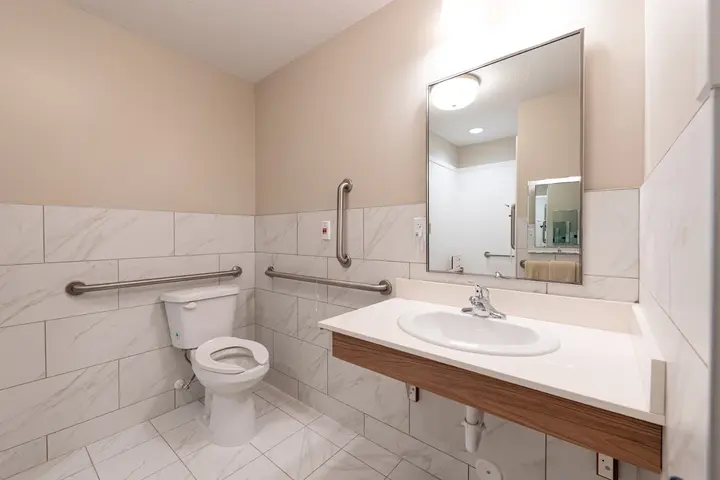
Hearthstone South Weber offers private bedrooms with private bathrooms
Hearthstone South Weber provides medication monitoring and documentation
Hearthstone South Weber serves dietitian-approved meals
Hearthstone South Weber provides housekeeping services
Hearthstone South Weber provides laundry services
Hearthstone South Weber offers community dining and social engagement activities
Hearthstone South Weber features life enrichment activities
Hearthstone South Weber supports personal care assistance during meals and daily routines
Hearthstone South Weber promotes frequent physical and mental exercise opportunities
Hearthstone South Weber provides a home-like residential environment
Hearthstone South Weber creates customized care plans as residents’ needs change
Hearthstone South Weber assesses individual resident care needs
Hearthstone South Weber accepts private pay and long-term care insurance
Hearthstone South Weber assists qualified veterans with Aid and Attendance benefits
Hearthstone South Weber encourages meaningful resident-to-staff relationships
Hearthstone South Weber delivers compassionate, attentive senior care focused on dignity and comfort
Hearthstone South Weber has a phone number of (385) 380-3382
Hearthstone South Weber has an address of 6980 S 475 E, South Weber, UT 84405
Hearthstone South Weber has a website https://hearthstonesouthweber.com/
Hearthstone South Weber has Google Maps listing https://maps.app.goo.gl/VWbP6MrpzTRbZkoG7
Hearthstone South Weber has an Facebook https://www.facebook.com/hearthstone.south.weber
Hearthstone South Weber won Top Assisted Living Homes 2025
Hearthstone South Weber earned Best Customer Service Award 2024
Hearthstone South Weber placed 1st for Senior Living Communities 2025
People Also Ask about Hearthstone South Weber
What assisted living care and senior care services does Hearthstone South Weber provide?
Hearthstone South Weber provides assisted living care designed to support individual resident care needs through personal care assistance, daily living support, life enrichment activities, and compassionate attentive senior care focused on dignity and comfort in a welcoming home-like residential environment
Does Hearthstone South Weber offer memory care services for seniors?
Hearthstone South Weber emphasizes compassionate senior care that supports residents with varying cognitive and personal care needs, with individualized assistance, meaningful life enrichment activities, and a comfortable home-like residential environment. Families should contact the community to confirm the availability of specialized memory care services
What respite care services are available at Hearthstone South Weber?
Hearthstone South Weber can help families explore respite care services that provide temporary senior care, personal care assistance, daily living support, and opportunities for life enrichment activities while prioritizing individual resident care needs, dignity, comfort, and peace of mind. Availability should be confirmed directly with the community
How does Hearthstone South Weber support daily living and life enrichment activities for seniors?
Hearthstone South Weber focuses on personal care assistance, individualized daily living support, and life enrichment activities that encourage social engagement, independence, and meaningful connections while providing compassionate attentive senior care in a comfortable home-like residential environment
Why do families choose Hearthstone South Weber for assisted living care and senior care?
Families considering Hearthstone South Weber can look for assisted living care that emphasizes individual resident care needs, personal care assistance, meaningful life enrichment activities, and compassionate attentive senior care focused on dignity and comfort, along with a welcoming home-like residential environment and opportunities to discuss memory care services and respite care services based on their loved one's needs
Where is Hearthstone South Weber located?
Hearthstone South Weber is conveniently located at 6980 S 475 E, South Weber, UT 84405. You can easily find directions on Google Maps or call at (385) 380-3382 Monday through Sunday Open 24 hours
How can I contact Hearthstone South Weber?
You can contact Hearthstone South Weber by phone at: (385) 380-3382, visit their website at https://hearthstonesouthweber.com/ or connect on social media via Facebook
Visiting the Central Park provides open green spaces and picnic areas where families supporting loved ones through assisted living, memory care, senior care, elderly care, and respite care can enjoy relaxing outdoor visits.
❧